Microsoft Copilot Cowork Is Now Generally Available: Why ROI Matters More Than Token Costs
Microsoft Copilot Cowork became generally available in June 2026, giving organisations access to autonomous AI agents that can perform tasks, coordinate workflows and support teams with minimal human intervention.
While much of the discussion has focused on token pricing and consumption, the bigger question for most organisations is whether they are ready to generate meaningful business value from these new capabilities.
Those topics are important.
However, after helping organisations of all sizes adopt AI technologies, I believe many businesses are focusing on the wrong question.
The real question isn't:
"How much will
Microsoft Copilot Cowork
cost?"
The real question is:
"How much business value will Microsoft Copilot Cowork create?"
What Is Microsoft Copilot Cowork?
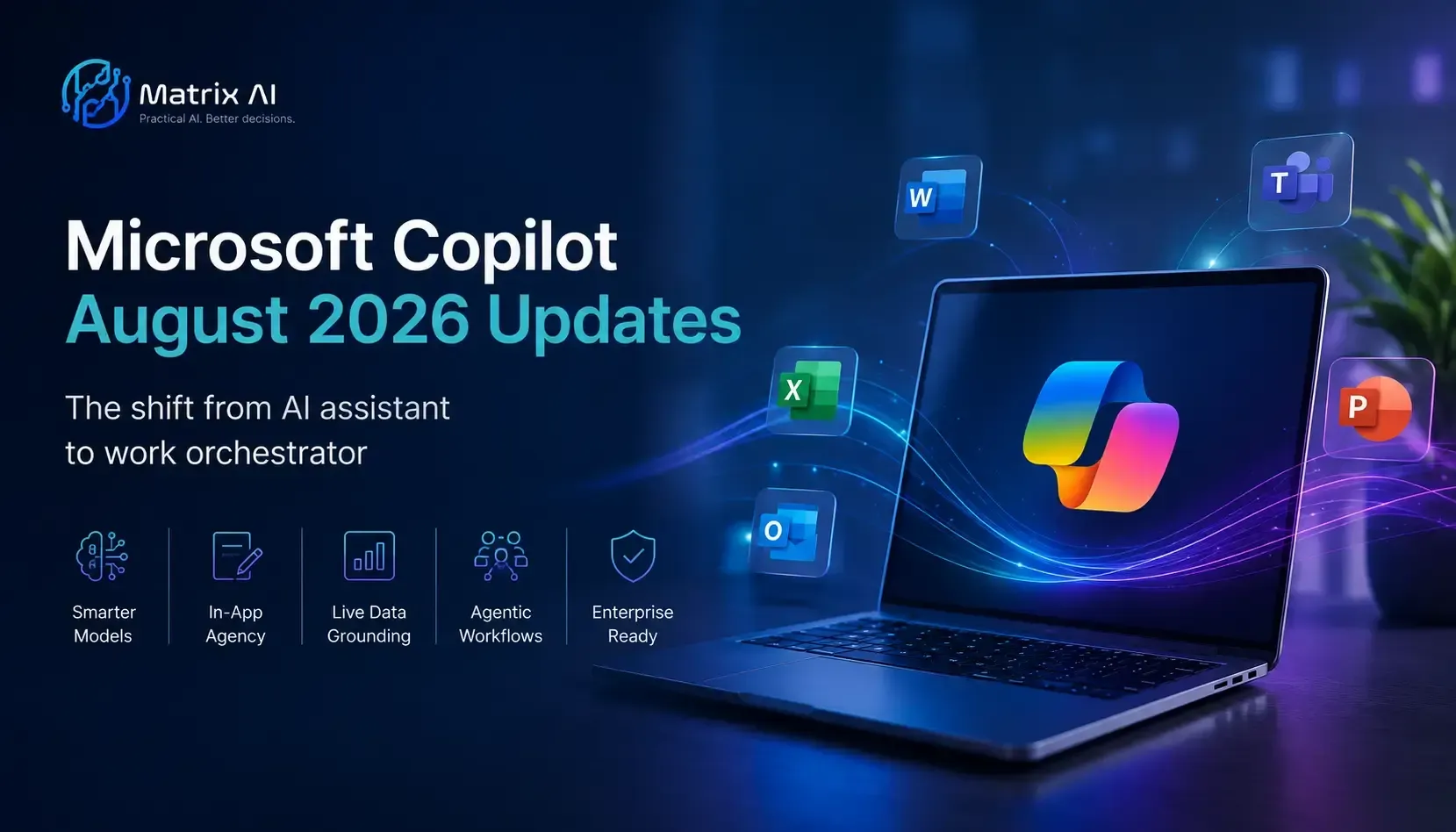
Microsoft Copilot Cowork moves AI beyond answering questions and generating content.
Instead of acting as a traditional AI assistant, Copilot Cowork can execute complex, multi-step tasks that span multiple systems, applications and workflows.
For example, Microsoft demonstrated scenarios where Cowork could:
- Analyse customer support cases.
- Review CRM opportunities.
- Prepare executive briefing documents.
- Create follow-up tasks.
- Update records in business systems.
- Draft customer communications.
- Coordinate actions across multiple teams.
- Navigate websites using browser automation.
Unlike traditional Copilot interactions, these tasks can continue running in the background, even after a user has moved on to other work.
This represents an important shift.
AI is no longer simply helping employees complete tasks.
AI is beginning to complete parts of the work itself.
Key Takeaways
- Copilot Cowork is now generally available
- Token costs matter, but poor adoption costs far more
- Start with high-value use cases before scaling
- Monitor token consumption from day one
- Measure business outcomes, not AI activity
Why The June 2026 Copilot Cowork Launch Matters
Many organisations have spent the last two years experimenting with AI assistants. Employees use Copilot to draft emails. They use
ChatGPT to generate content. They summarise meetings and analyse spreadsheets.
Those are valuable use cases.
Copilot Cowork introduces something fundamentally different. It enables AI to orchestrate workflows rather than individual tasks.
That distinction may seem subtle, but it has significant implications for productivity, automation and business operations.
The organisations that learn how to integrate Cowork into their workflows could unlock far greater value than those simply using AI as a writing assistant.
The Bigger Issue Isn't Cost. It's Adoption.
One pattern I've observed repeatedly is organisations purchasing AI licences and expecting productivity improvements to happen automatically.
They roll out licences.
They encourage staff to experiment.
They hope value will emerge.
Sometimes it does.
Often it doesn't.
Six or twelve months later, leadership reviews the investment and discovers:
- Adoption is inconsistent.
- Usage varies widely between teams.
- Success metrics were never established.
- Return on investment is unclear.
In some cases, organisations actually reduce the number of licences they own because they cannot justify the ongoing spend.
The problem is rarely the technology.
The problem is that no one identified the use cases, business objectives and success measures before deployment.
Copilot Cowork will amplify this challenge.
The organisations that proactively identify opportunities will see value. Those that rely on experimentation alone may struggle to justify the investment.
Copilot Cowork Doesn't Create ROI. Good Use Cases Do.
One of the biggest misconceptions in AI adoption is that the technology itself generates return on investment.
It doesn't.
The value comes from applying technology to the right business problems.
Before deploying Copilot Cowork, organisations should ask:
- Which workflows consume the most time?
- Which processes are repetitive?
- Which activities create bottlenecks?
- Which teams could benefit most?
- How will success be measured?
Only then should discussions about licensing and token consumption begin.
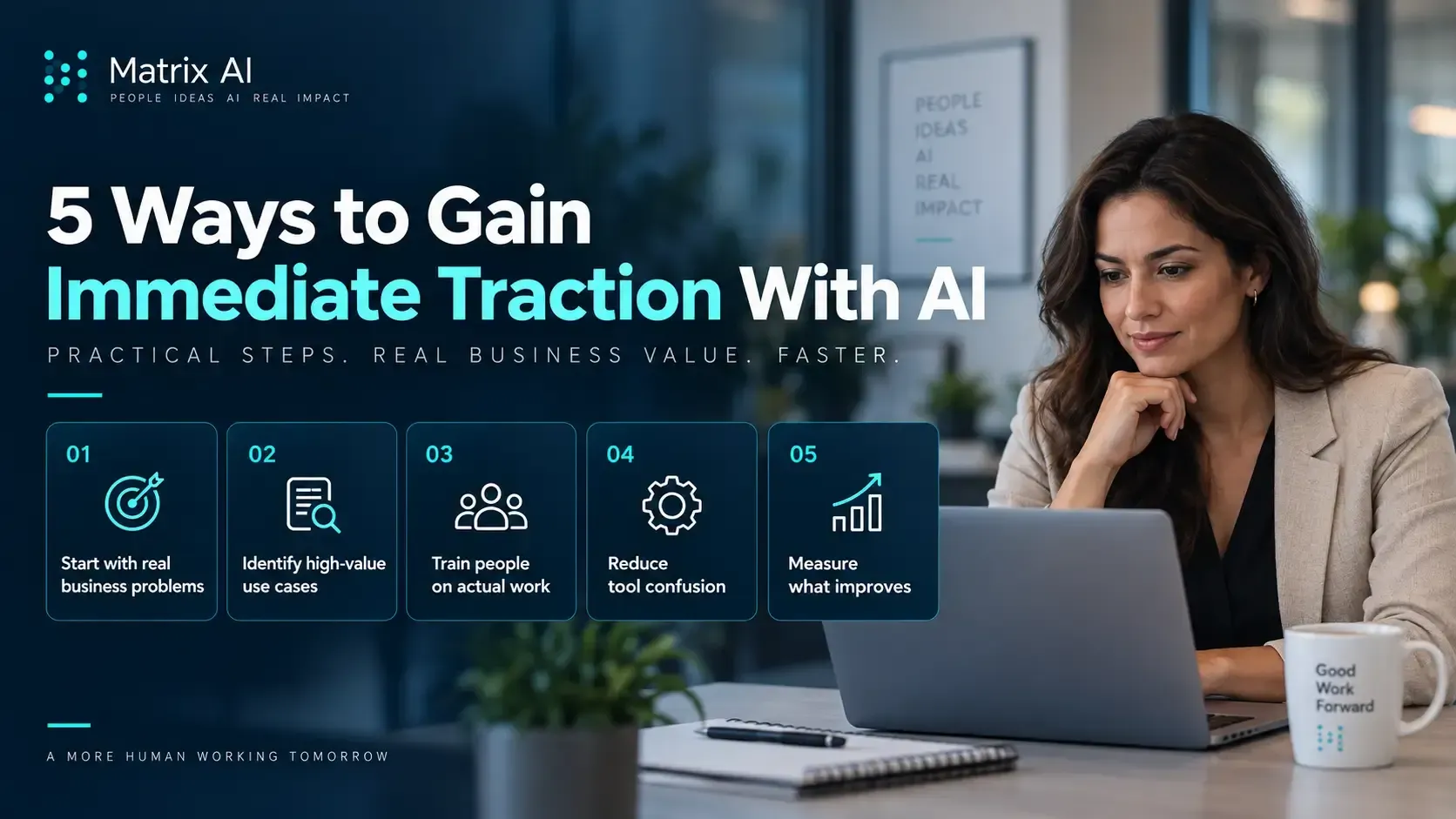
In my experience, successful AI tool adoption projects follow a structured approach:
- Identify High-Value Use Cases. Focus on workflows that are time-consuming, repetitive or difficult to scale.
- Establish Baseline Metrics. Measure how work is currently performed.
- Define Success Criteria. Identify expected improvements in productivity, quality, speed or customer outcomes.
- Build A Business Case. For larger deployments, create a formal business case outlining costs, benefits and expected ROI.
- Track Adoption And Outcomes. Measure results over time and continuously refine usage.
This approach shifts AI from being a technology purchase to being a business investment.
The Hidden Risk: Underestimating Token Consumption
One area where many organisations may be caught off guard is token consumption.
Historically, Microsoft 365 Copilot has operated largely within a predictable licensing model.
Copilot Cowork introduces a usage-based component through Copilot Credits.
Many businesses are likely to underestimate their consumption requirements.
Why?
Because Cowork performs significantly more work than traditional Copilot interactions.
A single Cowork task may:
- Access multiple data sources.
- Analyse large volumes of information.
- Execute multiple actions.
- Generate several outputs.
- Run for extended periods.
The more context, data, actions and processing involved, the more credits are consumed. For organisations deploying Cowork at scale, this can quickly become a meaningful budget consideration.
Five Practical Tips To Manage Copilot Cowork Costs
1. Start With High-Value Use Cases
Don't deploy Cowork everywhere immediately.
Focus on tasks that have a clear business impact.
2. Train Users On Tool Selection
Not every task requires Cowork.
Sometimes Copilot Chat, Word Copilot, Excel Copilot or ChatGPT may be more appropriate.
3. Establish Usage Policies
Define who can access Cowork, what types of tasks are suitable and where approval may be required.
4. Monitor Usage Early
Review consumption reports regularly during rollout rather than waiting for a surprise invoice.
5. Measure Outcomes, Not Activity
The goal isn't to maximise Cowork usage.
The goal is to maximise business value.
What Leaders Should Be Thinking About Now
As Microsoft Copilot Cowork becomes generally available, leadership teams should focus on five priorities:
Adoption
How will employees learn to use Cowork effectively?
Governance
What controls are required?
Productivity
Which workflows offer the greatest opportunity?
Cost Management
How will token consumption and Copilot Credits be monitored?
ROI
How will success be measured?
These questions are far more important than simply understanding the latest AI features.
My Advice
The launch of Microsoft Copilot Cowork on 16 June 2026 is one of the most significant developments in enterprise AI this year.
Not because of browser automation.
Not because of GPT-5.5.
Not because of the new pricing model.
Because it forces organisations to think more seriously about value creation.
For the first time, many businesses will need to connect AI activity directly to business outcomes.
That is a good thing.
The organisations that succeed with Copilot Cowork will not necessarily be those with the largest AI budgets.
They will be the organisations that identify meaningful use cases, establish clear success metrics, train their people effectively and continuously measure return on investment.
The future of AI isn't about how many prompts you run. It's about the outcomes those prompts help create.
Planning a Copilot Cowork Rollout?
FAQs
What is Microsoft Copilot Cowork?
Copilot Cowork is Microsoft's autonomous AI agent platform that enables organisations to automate business workflows and delegate multi-step tasks to AI agents.
How is Copilot Cowork priced?
Pricing includes token consumption based on AI activity. Costs vary depending on the complexity and volume of tasks performed.
What is the biggest risk when implementing Copilot Cowork?
For most organisations the greatest risk is low adoption rather than token consumption. Without clear use cases and governance, ROI can be difficult to achieve.